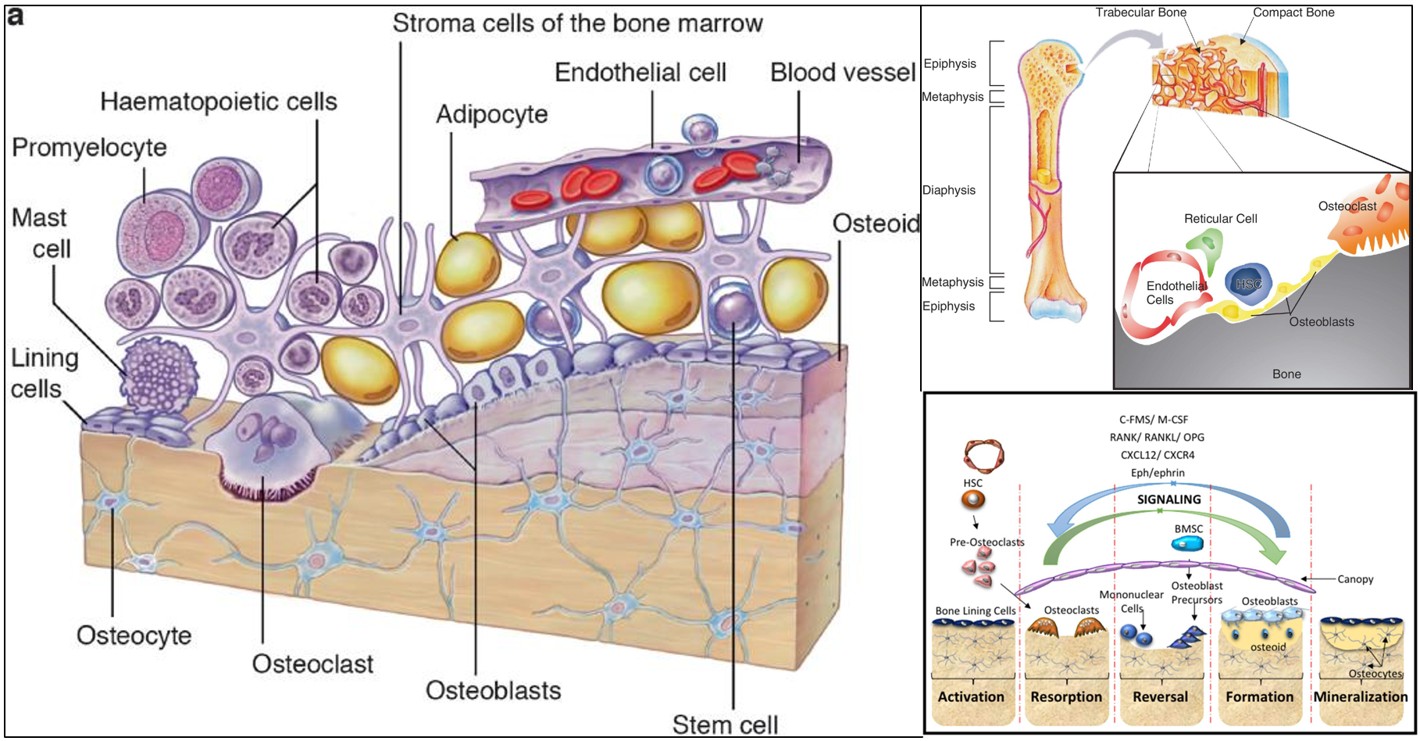
骨质疏松性骨折的预防仍面临重要挑战,尤其需要探索能够改善骨强度、降低骨折风险且作用机制区别于现有药物的新型干预靶点。2026年发表于 Nature Communications 的一项研究,结合蛋白质组学孟德尔随机化(Mendelian randomization,MR)、遗传共定位分析、单细胞转录组学、骨组织空间表达分析及动物实验,发现Ephrin-A1(EFNA1)与较低的前臂骨折风险及较高的骨矿物质密度相关,并提出Ephrin-A1–EphA2信号通路可能参与骨形成与骨折预防。该研究为探索骨组织血管内皮细胞与成骨细胞之间的信号交流提供了新的证据,但其临床转化价值仍需通过进一步的机制研究和干预试验验证。
Osteoporotic fractures remain a major clinical challenge, highlighting the need for novel therapeutic targets that improve bone strength and reduce fracture risk through mechanisms distinct from those of existing treatments. A 2026 study published in Nature Communications combined proteome-wide Mendelian randomization, genetic colocalization, single-cell transcriptomics, spatial expression profiling, and animal experiments. The investigators identified ephrin-A1 (EFNA1) as a potential protective factor associated with lower forearm fracture risk and higher bone mineral density, proposing a role for ephrin-A1–EphA2 signaling in bone formation and fracture prevention. These findings provide new evidence for signaling interactions between vascular endothelial cells and osteoblasts, although clinical translation will require further mechanistic studies and interventional trials.
一、从骨折遗传学到新型治疗靶点
传统骨质疏松药物主要围绕抑制骨吸收或促进骨形成发挥作用。然而,骨折风险不仅取决于骨矿物质密度(BMD),还受到骨微结构、骨材料特性、跌倒风险及其他临床因素影响。因此,发现与骨折风险直接相关的分子,有望补充传统以BMD为核心的靶点筛选策略。
The development of osteoporosis therapies has largely focused on inhibiting bone resorption or stimulating bone formation. However, fracture risk is influenced not only by bone mineral density (BMD), but also by microarchitecture, material properties, falls, and other clinical factors. Identifying molecules associated directly with fracture susceptibility may therefore complement conventional target-discovery strategies centered on BMD.
研究团队对1,615种具有有效遗传工具变量的循环蛋白进行了全蛋白质组范围的MR分析,并结合遗传共定位评估蛋白水平与骨折风险关联是否可能由共同遗传变异驱动。研究发现9种循环蛋白与前臂骨折风险存在关联,其中部分为已知骨代谢相关蛋白,另有EFNA1、CCND2和TIMP2等候选分子值得进一步研究。EFNA1的遗传学信号与前臂骨折风险信号表现出共定位证据,其遗传预测的循环水平较高与较低骨折风险相关;补充分析也支持其与较低的全身骨折风险相关。
The investigators performed proteome-wide Mendelian randomization analyses of 1,615 circulating proteins with valid genetic instruments and used colocalization to assess whether protein-level and fracture-risk associations might share causal genetic variants. Nine proteins were associated with forearm fracture risk. Alongside established bone-related proteins, EFNA1, CCND2, and TIMP2 emerged as candidates for further investigation. EFNA1 showed genetic colocalization evidence with forearm fracture risk, and genetically predicted higher circulating EFNA1 levels were associated with lower fracture risk. Additional analyses supported an association in the same direction for fractures across skeletal sites.
需要强调,MR能够利用遗传变异增强因果推断的可信度,但并不等同于药物干预试验。遗传预测的长期蛋白水平差异,与通过药物在特定年龄、组织或疾病阶段短期调节该蛋白,可能产生不同的生物学结果。因此,EFNA1目前应被视为具有遗传学支持的候选保护因子,而不是已经得到临床验证的骨折预防药物靶点。
Importantly, Mendelian randomization can strengthen causal inference using genetic variation, but it is not equivalent to a therapeutic intervention trial. Lifelong genetically influenced differences in protein levels may produce biological effects different from pharmacologically modifying the same protein in a particular tissue, age group, or disease stage. EFNA1 should therefore be regarded as a genetically supported candidate protective factor rather than a clinically validated fracture-prevention target.
二、核心机制:血管内皮细胞与成骨细胞之间的信号交流
Ephrin-A1是Eph受体酪氨酸激酶家族的配体之一,主要通过细胞膜上的糖基磷脂酰肌醇(GPI)锚定结构发挥作用。EphA2(EPHA2)是其高亲和力受体。与经典的可溶性生长因子不同,Ephrin-A1–EphA2信号具有明显的细胞接触依赖性特征,可参与细胞黏附、迁移、组织结构维持及细胞间信息传递。
Ephrin-A1 is a ligand of the Eph receptor tyrosine kinase family and is primarily associated with the cell membrane through a glycosylphosphatidylinositol (GPI) anchor. EphA2 (EPHA2) is a high-affinity receptor for ephrin-A1. Unlike classical soluble growth factors, ephrin-A1–EphA2 signaling can depend on direct cell–cell contact and is involved in cell adhesion, migration, tissue organization, and intercellular communication.
该研究的关键发现之一,是通过人类骨组织单细胞转录组、原位杂交及三维空间表达分析,揭示了EFNA1与EPHA2在骨微环境中的空间分布特征。EFNA1主要表达于血管内皮细胞及部分骨髓基质细胞,而EPHA2富集于骨表面的成骨细胞谱系。研究者观察到,血管附近表达EFNA1的细胞与骨表面表达EPHA2的成骨细胞在空间上相邻,为两类细胞之间发生直接信号交流提供了依据。
One of the study's major findings was the spatial characterization of EFNA1 and EPHA2 in human bone using single-cell transcriptomics, in situ hybridization, and three-dimensional spatial expression analysis. EFNA1 was predominantly expressed in vascular endothelial cells and some bone marrow stromal cells, whereas EPHA2 was enriched in osteolineage cells along bone surfaces. The close spatial proximity between EFNA1-expressing perivascular cells and EPHA2-expressing osteoblasts supports the possibility of direct signaling between these cell populations.


这一发现拓展了对骨重建微环境的认识。骨血管不仅承担氧气、营养物质及骨代谢相关细胞的运输功能,也可能通过局部信号调节成骨细胞行为。Ephrin-A1–EphA2通路因此提供了一种值得验证的机制假说:血管内皮细胞可能通过接触依赖性信号,影响骨表面的成骨活动,进而参与骨量及骨强度的调节。
These findings broaden our understanding of the bone-remodeling microenvironment. Bone vasculature does more than deliver oxygen, nutrients, and bone-related cells; it may also regulate osteoblast behavior through local signaling. The ephrin-A1–EphA2 pathway therefore provides a testable mechanistic hypothesis: vascular endothelial cells may influence osteogenic activity at bone surfaces through contact-dependent signaling, thereby contributing to the regulation of bone mass and strength.


三、动物实验支持与机制边界
研究还发现,Efna1基因缺失小鼠和EphA2基因缺失小鼠均表现出较低的骨矿物质密度,为该通路参与骨稳态提供了功能性证据。此外,在炎症、衰老及高剂量维生素A相关的骨丢失模型中,骨组织EFNA1或EPHA2表达发生了不同程度的变化;机械负荷诱导的骨合成反应则伴随EFNA1表达升高。
The study further showed that mice deficient in either Efna1 or EphA2 had reduced BMD, providing functional evidence that this pathway contributes to skeletal homeostasis. In experimental models of inflammation-, aging-, and high-dose vitamin A-associated bone loss, expression of EFNA1 or EPHA2 changed to varying degrees. The anabolic response to mechanical loading was also accompanied by increased EFNA1 expression in bone tissue.
但这些结果尚不能证明,单纯提高EFNA1水平或激活EPHA2即可稳定地增加骨量、改善骨质量并降低实际骨折发生率。基因敲除所造成的全身性效应也可能涉及骨骼以外的组织。值得注意的是,卵巢切除所致骨丢失模型中,骨组织EFNA1和EPHA2表达并未出现相同的明显变化,提示该通路可能具有疾病背景和生理条件依赖性,而非适用于所有类型的骨质疏松。
However, these findings do not establish that simply increasing EFNA1 levels or activating EPHA2 will consistently increase bone mass, improve bone quality, and reduce actual fracture incidence. Systemic gene deletion may also affect tissues beyond the skeleton. Notably, EFNA1 and EPHA2 expression did not show comparable changes in the ovariectomy-induced bone-loss model. This suggests that pathway activity may depend on disease context and physiological conditions rather than being universally relevant to all forms of osteoporosis.
四、潜在的药物开发方向与关键科学问题
从转化医学角度看,该通路至少存在三个值得探索的方向。第一,开发能够增强骨局部EFNA1–EPHA2信号的干预方式,并评估其对成骨细胞分化、骨形成率及骨微结构的影响。第二,探索靶向血管内皮细胞与成骨细胞之间信号交流的局部递送策略,以减少对其他器官的非预期影响。第三,评估循环EFNA1能否作为骨代谢或骨折风险研究中的候选生物标志物,但必须先明确其来源、检测方法及与骨组织局部信号的关系。
From a translational perspective, at least three research directions merit exploration. First, interventions that enhance local EFNA1–EPHA2 signaling in bone could be evaluated for their effects on osteoblast differentiation, bone formation rates, and microarchitecture. Second, local delivery strategies targeting endothelial–osteoblast communication could potentially reduce unintended effects in other organs. Third, circulating EFNA1 could be investigated as a candidate biomarker for bone metabolism or fracture-risk research, provided that its tissue origins, assay characteristics, and relationship to local skeletal signaling are established.
未来研究应优先回答四个问题:内皮细胞来源的EFNA1是否为主要功能来源;EPHA2激活后具体通过哪些细胞内信号调节成骨活动;该通路对皮质骨、松质骨及骨材料性质的影响是否一致;以及增强这一信号能否在衰老、绝经后骨质疏松或脆性骨折高风险人群中获得可重复的获益。内皮细胞特异性基因调控、细胞共培养、组织特异性药理干预和长期骨力学实验,将有助于建立更完整的因果证据链。
Future research should prioritize four questions: whether endothelial-derived EFNA1 is the principal functional source; which intracellular pathways mediate EPHA2-dependent osteogenic effects; whether the effects are consistent across cortical bone, trabecular bone, and bone material properties; and whether enhancing this pathway produces reproducible benefits in aging, postmenopausal osteoporosis, or populations at high risk of fragility fractures. Endothelial-specific genetic manipulation, cell coculture experiments, tissue-targeted pharmacological interventions, and long-term biomechanical studies will help establish a more complete causal framework.
五、结论
Ephrin-A1–EphA2信号通路的发现,体现了骨折预防研究从传统骨代谢靶点向骨组织细胞间通讯机制拓展的趋势。2026年的研究通过遗传学证据、空间表达特征和动物实验,为该通路的骨保护作用提供了多层次支持。其重要意义不仅在于提出一个潜在的新靶点,更在于揭示血管内皮细胞与成骨细胞之间可能存在的调控联系。现阶段,这一通路仍处于靶点发现与临床前验证阶段,尚不能据此改变现有骨质疏松治疗策略。后续研究应聚焦细胞特异性机制、药物可及性、安全性及真实骨折结局,以判断其能否最终转化为临床可用的骨折预防手段。
The identification of ephrin-A1–EphA2 signaling illustrates a shift in fracture-prevention research from conventional bone-metabolism targets toward intercellular communication within the skeletal microenvironment. The 2026 study provides converging genetic, spatial-expression, and experimental evidence supporting a potential bone-protective role for this pathway. Its significance lies not only in identifying a candidate therapeutic target but also in highlighting a possible regulatory connection between vascular endothelial cells and osteoblasts. At present, the pathway remains at the target-discovery and preclinical-validation stages and does not justify changes to established osteoporosis treatment strategies. Future work must establish cell-specific mechanisms, pharmacological tractability, safety, and effects on actual fracture outcomes before clinical applicability can be determined.
参考文献
1. Movérare-Skrtic S, Nethander M, Li L, et al. Identification of ephrin-A1–EphA2 signalling as a potential target for fracture prevention. Nature Communications. 2026;17:1988.
2. Pasquale EB. Eph receptors and ephrins in cancer: bidirectional signalling and beyond. Nature Reviews Cancer. 2010;10:165–180.
3. Zhao C, Irie N, Takada Y, et al. Bidirectional ephrinB2-EphB4 signaling controls bone homeostasis. Cell Metabolism. 2006;4(2):111–121.
4. Ramasamy SK, Kusumbe AP, Wang L, Adams RH. Endothelial Notch activity promotes angiogenesis and osteogenesis in bone. Nature. 2014;507:376–380.
*本文引用的图片版权为研究者所有*