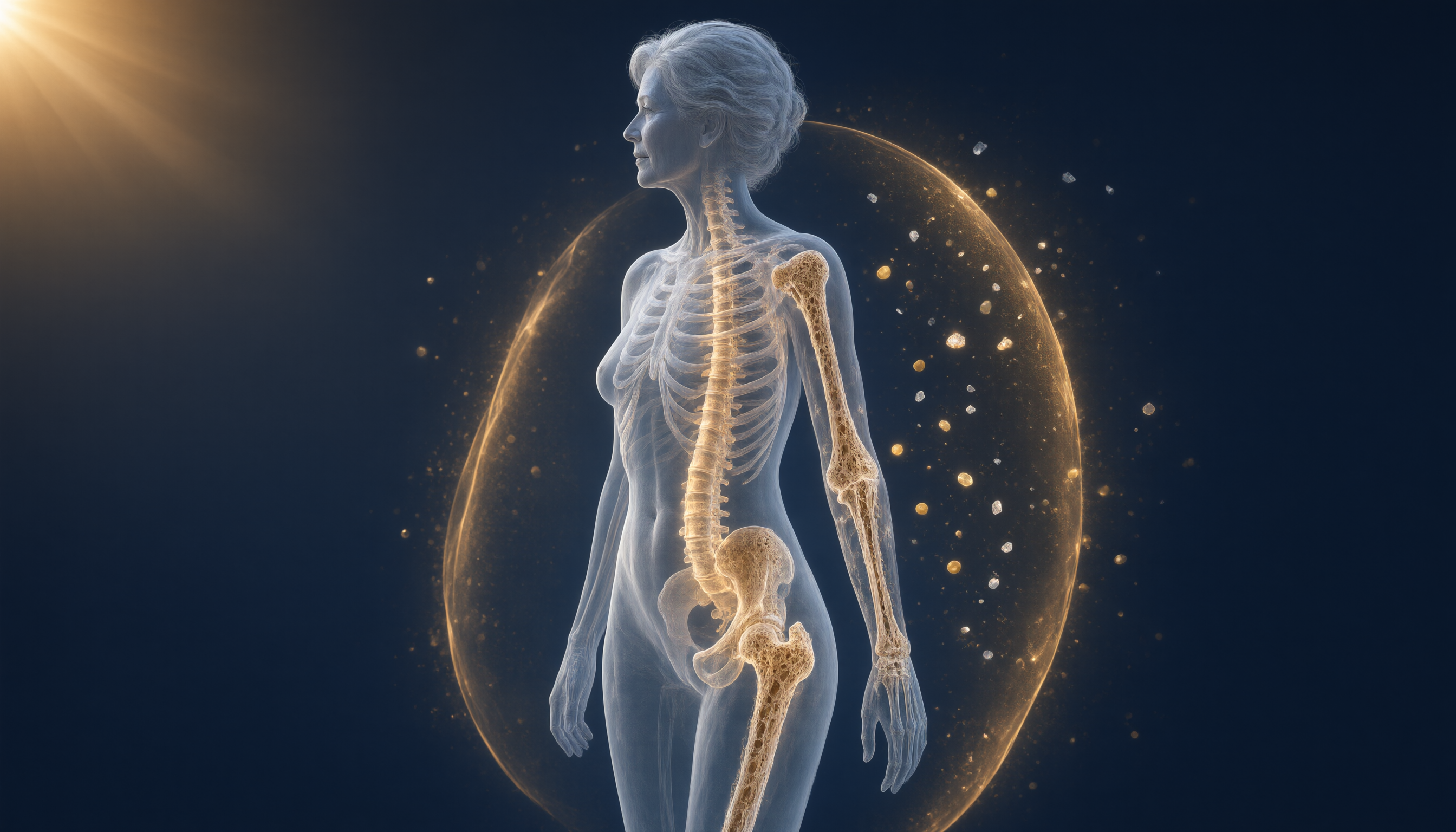
更年期,是女性生命历程中一个重要的转折期,也是骨骼健康面临严峻考验的时期。进入更年期后,随着卵巢功能衰退,女性体内的雌激素水平大幅下降。雌激素对骨骼具有保护作用,它能抑制破骨细胞过度活跃、减缓骨质吸收。雌激素骤降,意味着骨骼失去了重要的 "守护者",骨量流失速度会显著加快,骨质疏松风险随之攀升。
Menopause is an important turning point in a woman's life and also a period when bone health faces a severe challenge. As ovarian function declines after entering menopause, estrogen levels in women drop dramatically. Estrogen protects bones by inhibiting excessive osteoclast activity and slowing bone resorption. The sharp fall in estrogen means bones lose an important "guardian", bone loss accelerates significantly, and the risk of osteoporosis rises accordingly.
在绝经初期,尤其是绝经后的前 5 到 10 年,是骨量流失最快的阶段。女性往往在这一时期出现明显的骨量下降,部分女性的骨量每年可流失 2% 到 3%。这也是为什么骨质疏松在绝经后女性中远比男性常见,很多女性直到某次轻轻跌倒、甚至打个喷嚏就骨折,才惊觉骨骼已经悄悄变脆。及时认识到这一点,对更年期女性尤为重要。
In early menopause, especially the first five to ten years after menopause, is the fastest stage of bone loss. Women often experience marked bone loss during this period, and some may lose two to three percent of bone mass each year. This is why osteoporosis is far more common in postmenopausal women than in men. Many women only realize their bones have quietly become fragile after a light fall or even a sneeze causes a fracture. Recognizing this in time is especially important for menopausal women.
面对骨量流失,更年期女性并非束手无策,及早干预完全可以有效延缓。营养是基石,应保证充足的钙与维生素 D 摄入,多食用牛奶、奶制品、豆制品和深绿色蔬菜,并在医生指导下合理补充。规律运动同样关键,坚持快走、慢跑、太极等负重与平衡训练,既能刺激骨量沉积,又能增强肌肉力量、改善平衡,降低跌倒风险。
Facing bone loss, menopausal women are not helpless, and early intervention can effectively slow it down. Nutrition is the cornerstone: ensure adequate calcium and vitamin D intake by consuming milk, dairy products, soy products and dark green vegetables, with reasonable supplementation under a doctor's guidance. Regular exercise is equally crucial. Persisting in weight-bearing and balance training such as brisk walking, jogging and Tai Chi not only stimulates bone deposition, but also strengthens muscles, improves balance and reduces the risk of falls.
医疗手段同样为更年期骨骼健康提供有力保障。对于骨量流失明显或有高危因素的女性,医生可能会建议进行骨密度检测,并根据结果评估是否需要药物治疗。部分情况下,激素替代疗法等医学方案可在专业评估后谨慎使用,帮助缓解更年期症状并保护骨骼。但这类治疗具有适应症与风险,必须由医生结合个体情况权衡决定,切勿自行用药。
Medical approaches also provide strong support for bone health during menopause. For women with obvious bone loss or high-risk factors, doctors may recommend bone density testing and assess whether drug treatment is needed based on the results. In some cases, medical plans such as hormone replacement therapy can be used cautiously after professional evaluation to relieve menopausal symptoms and protect bones. However, such treatment has indications and risks and must be weighed individually by a doctor — never self-medicate.
更年期骨量流失虽然是自然趋势,但通过科学的生活方式与及时的医疗干预,完全可以将它对健康的影响降到最低。定期检测、均衡营养、坚持运动、谨慎用药,是守护更年期女性骨骼健康的四大要点。读懂身体的信号,把骨骼健康掌握在自己手中。
Although menopausal bone loss is a natural trend, its impact on health can be minimized through scientific lifestyle choices and timely medical intervention. Regular testing, balanced nutrition, consistent exercise and cautious medication are the four key points for protecting bone health in menopausal women. Understand the signals of your body and take bone health into your own hands.
值得强调的是,更年期不是骨骼健康的 "终点",而是重新审视和呵护身体的 "起点"。通过科学养骨,许多女性完全可以在更年期后依然保持强健的骨骼,享受健康有质量的生活。从今天起,重视每一次日晒、每一顿营养餐、每一次锻炼,让骨骼在岁月中依然坚实。
It is worth emphasizing that menopause is not the "endpoint" of bone health, but a "starting point" for re-examining and caring for the body. Through scientific bone care, many women can completely maintain strong bones after menopause and enjoy a healthy, high-quality life. Starting today, value every bit of sunshine, every nutritious meal and every workout, so that bones remain solid through the years.